


Could You Cut It on the Track? 8 Skills Needed to Be a Racecar Driver
October 8, 2020
Think you've got what it takes to make it on the world's fastest race tracks? It takes a lot of hard work to become a racecar driver for competitive events like NASCAR, Formula One, or newer Formula E races. In order to make it to the top in professional racing, drivers hone their skills over a lifetime full of learning, training, and dedication.
While it can help to start early with kart racing at a local track before getting a racing license at a racing school, it's never too late to learn how to drift, bank, and burn your way to a racing career if you're truly dedicated to the process. Start by learning these eight crucial skills needed to be a racecar driver.
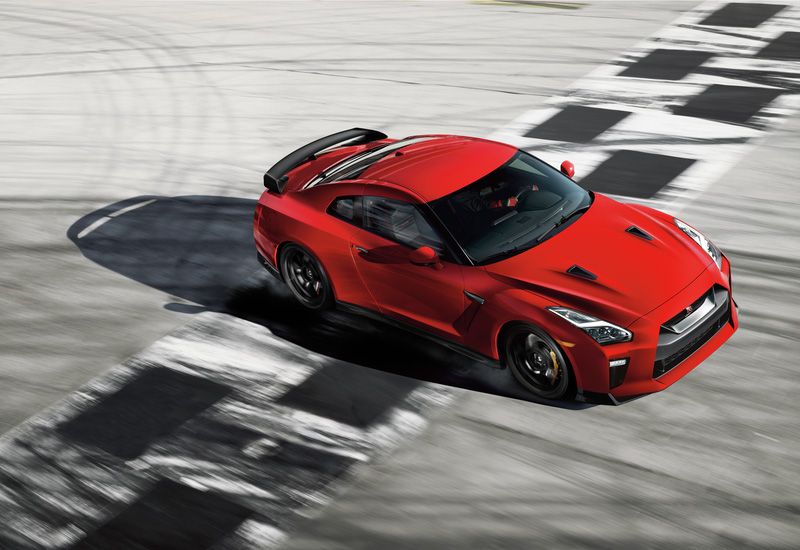
1. Driving Skills
First and foremost, you need the technical driving skills required to keep control of your car at high speeds. That means knowing how to take corners, how to use your competitors' slipstreams, and how to brake and accelerate with maximum efficiency.
Professional drivers know they must scan where they need to go ahead of time and get there in the shortest possible distance within the fastest possible time. Every movement must be second-nature, because when you're making decisions at well over 200 mph, you don't have time to second guess yourself!
2. Mechanical Knowledge
A professional racecar driver needs to know their vehicle inside and out. Understanding how each of the thousands of parts inside your racecar work together is crucial to getting the most efficiency from the vehicle.
Mechanical knowledge also gives you the foresight to do preventative maintenance and adjust to changing conditions in a race. A driver who's in tune with their car will be able to feel when something is wrong and direct the engineering team accordingly.
3. Fast Reflexes
In racing, timing is everything. Split-second decisions and reactions are often the difference between winning and losing a race ‐ especially since winning often comes down to a tenth of a second. That's why professional drivers undergo special training to improve hand-eye coordination and peripheral vision, so their reflexes stay sharp.
4. Physical Stamina
Racing is a physically demanding, high-intensity sport ‐ just ask any champion! Drivers must be in peak physical condition to handle strong G-forces, high temperatures, and a sustained heart rate between 160 and 200 bpm during a race.
Consider these numbers: at peak load, a Formula One driver experiences as much as five Gs of force, putting the body under extreme pressure. Not only does that much increased gravity cause the weight of the driver's head and helmet to multiply five times, it also creates a force of nearly 900 lbs on the seat! In comparison, an astronaut will experience only three to four Gs during a rocket launch (source: Motorsport Technology).
Handling extreme forces while keeping your composure during a race means grueling, year-round physical training with particular emphasis on upper body and core strength.
5. Mental & Emotional Fortitude
In addition to physical endurance, a racing driver must have the mental and emotional fortitude to stay focused during a race. You need a lot of mental grit to stay cool under pressure ‐ and that's not just physical pressure. Drivers face immense pressure from their sponsors, team, and fans to perform well and win races.
Half of a racer's inner battle is emotional, too. Letting your emotions get the best of you during a race ‐ like getting angry when someone passes you, stressing out about errors, or getting too excited before you've actually won ‐ can lead to costly mistakes on the track. The best thing to do is drive without emotion and process your feelings after the race. Use your passion as fuel to get better instead of losing control.
6. Confidence & Charisma
Part of the mental game in professional racing is also projecting confidence, even when you're not feeling particularly sure of yourself. Your team, fans, and sponsors are relying on you to do your best, so it's important to play the part!
Along with confidence, you need charisma. Racecar drivers use charisma to attract sponsors ‐ like Nissan Motorsports ‐ and win over fans during closed-door meetings and televised interviews. As the driver, you are a highly public figure and the face of the team ‐ and often a spokesperson for the various brands that sponsor you!
7. Teamwork
You may be the one in the driver's seat, but you wouldn't get anywhere without your team. Everyone from the pit crew to the engineering team, crew chief, team manager, and even sponsors are critical to your success on and off the track. A driver must be able to effectively communicate with these people in order to analyze and improve performance, appropriately modify or repair the vehicle, and secure funding.
8. Growth Mindset
Becoming a professional racecar driver takes years of training and commitment. Though some people will claim racing is "in their blood," the skills needed to win on the track are not something you're just born with. Developing these complex skills requires a deep dedication to the process of failing, learning, and trying again time after time.
Having a growth mindset means you stay humble through this process with the understanding that each day is a new day to train and improve. There's always someone faster than you ‐ until you finally find yourself passing the checkered flag a tenth of a second ahead of everyone else. Go ahead, take a victory lap!
Get Race-Ready Feels with Genuine Nissan Parts
Want to tune up your ride while fine-tuning your driving skills? Shop genuine Nissan parts! Select your Nissan model, year, and trim to view all the ways you can enhance your vehicle for race-ready feels.