


5 Different Types of Car Filters & When to Replace Them
August 19, 2021
Engine air filters, oil filters, cabin air filters ‐ what's the deal with all of these filters? And most importantly, what do they do? Learn what kind of filters are in a car, how often they need to be replaced, and what can happen if they're not serviced regularly with this in-depth guide on car filters.
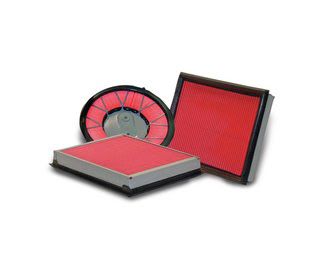
Oil Filter
What Does the Oil Filter Do?
Your oil filter helps to maintain a clean engine system by removing contaminants from the motor oil. Since this oil works to lubricate, cool, and protect the engine against rust, corrosion, and other debris, having a clean oil filter is essential to the overall performance of your Nissan.
Most manufacturers recommend replacing the oil filter once every 3,000-5,000 miles. However, the best rule of thumb is to have it serviced every time you go in for an oil change. For specific intervals, consult your Nissan owner's manual.
What Happens if You Don't Change Your Oil Filter?
If you go too long without replacing your oil filter, you may experience some pretty serious issues with the overall performance of your Nissan. The signs and symptoms of a bad oil filter include engine overheating, dirty exhaust, sounds of metal-on-metal contact, low oil pressure, and an illuminated oil pressure warning light. You may also experience these very serious issues.
- Poor Engine Performance: If your filter becomes clogged, hazardous debris may stay within the oil and circulate throughout your engine. Contaminated oil can cause engine damage and force it to use more energy. The result ‐ lower torque and engine efficiency.
- Lower Fuel Economy: Because your engine has to work harder, your vehicle may need more fuel to run efficiently.
- Engine Failure: Over time, as your engine oil becomes thicker and more contaminated, the oil's ability to cool your engine is substantially lowered. This can lead to warped engine components, overheating, a blown gasket, and more.
- Seized Engine: Since the tainted oil won't be able to lubricate your engine, metal components may start to rub together. This can result in a seized engine.
To prevent spending your hard-earned money on more fuel, pricey gasket replacements, or worse, complete engine repair, it's best to get the right oil filter for your Nissan and have it replaced regularly.
Can You Replace an Oil Filter Yourself?
Depending on experience level, changing the oil filter yourself can be considered a simple, routine task. Replacing it involves draining the oil before removing your filter and elevating your vehicle. If you're unsure of how to complete this task yourself, have a professional Nissan technician complete the installation for you.
Cabin Filter
What Does the Cabin Air Filter Do?
The cabin air filter plays a key role in your Nissan's heating and cooling system. It keeps external pollutants such as dust particles, pollen, and debris from contaminating the air within your vehicle. In short, it helps to maintain clean and refreshing cabin air.
Many manufacturers recommend replacing your cabin air filter once a year or every 12,000 miles, whichever comes first. However, this service interval may vary if you frequently drive in dusty, heavily polluted, or pollen-prone areas. For specific change intervals, consult your Nissan owner's manual.
What Happens if You Don't Change Your Cabin Air Filter?
Although your cabin air filter isn't crucial to the life of your vehicle, it does improve road safety. If your cabin filter isn't serviced regularly, you may have weaker cabin airflow, experience unpleasant odors, and hear rattling noises when running your A/C. Your cabin air filter also helps to prevent these common issues:
- Polluted Air Within the Cabin: With an obstructed air filter, your cabin can become exposed to all sorts of allergens, airborne particles, and foul odors. This is especially inconvenient for those with allergies and respiratory issues.
- Lowered Visibility: When the filter becomes clogged, airflow may become limited. This can lead to driving hazards such as the inability to properly defog your windows.
- Poor HVAC System Performance: The A/C system is responsible for cooling, heating, and ventilating your Nissan cabin. When your cabin air filter isn't able to successfully filter the air in your car, your A/C system's useful life may become compromised.
Engine Air Filter
What Does the Engine Air Filter Do?
The engine air filter, which is located beside the engine, removes dirt, pollutants, and other debris from your Nissan's air intake system before it enters the engine. Changing your engine air filter regularly helps your engine get the clean air it needs for the combustion process.
Many manufacturers recommend replacing your engine air filter once a year or every 12,000 miles, whichever comes first. Engine air filter replacement windows rely heavily on whether or not you reside in a dusty or heavily polluted area. For specific change intervals, consult your Nissan owner's manual.
What Happens if You Don't Change Your Engine Air Filter?
Since your engine air filter is essential to both the function of your combustion system and engine, neglecting this component can result in some very serious issues, including:
- Acceleration Difficulty: Since a dirty engine air filter can severely reduce the amount of clean air needed for the engine, you may experience decreased engine power and performance. This can lower your ability to accelerate properly.
- Lower Fuel Efficiency: With a faulty air filter, your engine has to work harder to obtain a consistent airflow. Due to the extra effort, your fuel economy may suffer.
- Poor Engine Performance and Starting: When air intake is inhibited by a dirty engine air filter, your spark plugs can become damaged and grimy due to unburned fuel. Without properly functioning spark plugs, your vehicle may experience rough idling, starting issues, and engine misfires.
- Illuminated Check Engine Light: A dirty filter may trigger your check engine light.
- Dirty Exhaust: With a bad engine air filter, the air intake by your engine won't be as clean. This can result in unburned fuel during the combustion process. When this fuel is eliminated through your exhaust pipe, dark, sooty smoke may be the result.
How to Replace Your Engine Air Filter
Replacing the engine air filter is fairly simple. To complete installation, follow these steps:
- Open your Nissan hood and secure it in place.
- Locate the engine air filter housing. It's often found in a black plastic box on top of or beside the engine. If you're unable to locate it, consult your owner's manual.
- Open the filter's housing. The cover is likely secured in place with screws or clamps. You may be able to unfasten the housing with your hands, a screwdriver, or a small ratchet.
- Slowly remove the old air filter. Pay special attention to the direction and placement of the engine air filter for proper installation of the replacement.
- Clean any debris or dirt in or around the housing.
- Install the new engine air filter while matching the positioning of the old filter.
- Put the air filter housing cover back in place and reinstall the fasteners.
Fuel Filter
What Does the Fuel Filter Do?
Your Nissan's fuel filter removes harmful impurities such as rust, dirt, and crud from your gasoline supply. In doing so, it prevents your fuel lines from getting clogged, helps to deliver clean fuel to the fuel injectors, and protects against contaminants in the engine.
What Happens if the Fuel Filter Is Clogged?
Without a functioning fuel filter, foreign particles won't be filtered out properly and may inhibit your engine's ability to draw fuel. In some instances, due to fuel deprivation, you may not even be able to start your car! Here are other symptoms of clogged fuel filters:
- Shaking While Idling: When your car is stopped whether in stand-still traffic or while sitting in a drive-thru, your engine may start to shake. This is a possible indication of low fuel intake and can be caused by a dirty fuel filter.
- Your Car Won't Start or Has Difficulty Starting: If your filter is clogged, your engine may become starved for fuel. And if your engine is not getting the fuel and energy it needs, your car may have difficulty starting or not run at all.
- Spontaneous Engine Shut-Off: If your engine isn't getting the required amount of fuel while driving, it can lose the energy needed to continue running.
- Sputtering While Accelerating: If your Nissan feels sluggish or sputters when you pick up speed, this may be the result of a dirty fuel filter.
Can You Replace a Fuel Filter Yourself?
Since most fuel filters are located within the fuel tank, it's best to have an authorized Nissan service center technician complete the installation.
Transmission Filter
What Does the Transmission Filter Do?
The transmission filter removes contaminants such as dirt, debris, and metal shavings from the fluids within your transmission. If this filter becomes clogged, the necessary fluids won't be able to cycle through your transmission properly, which can lead to worn components and transmission failure.
What Happens if Your Transmission Filter Is Dirty or Clogged?
Your Nissan's transmission distributes engine power to your wheels for safe handling. It also changes gears by calculating accelerator input and vehicle speed. The transmission fluid, which lubricates and cools this system, is essential for smooth operation.
Therefore, when the transmission filter is dirty or not working properly, your oil becomes contaminated and your transmission compromised. When this happens, you may experience:
- Trouble Shifting Gears: A clogged filter can cause your vehicle's gears to accelerate, slip, or make grinding noises in between shifts.
- Strange Sounds: If your transmission filter becomes blocked, the fluids within this component may not be able to lubricate essential parts. In effect, when switching between gears, you may hear rattling or grinding sounds coming from your vehicle.
- Burning Smells: Your transmission generates a lot of heat. If your transmission's fluids aren't able to cool, lubricate, and cycle through properly, your transmission may begin to run hot. This can lead to burning odors.
- Leaks: If your transmission fluid is having difficulty flowing, it may be forced through your vent tube. If you notice transmission fluid leaks, a restricted filter may be the cause.
- Transmission Failure: If a clogged transmission filter isn't replaced quickly, all of the above symptoms can lead to a very costly instance of transmission failure.
Can You Replace Your Transmission Filter?
Changing the transmission filter can be quite a difficult and time-consuming task. Accessing this filter may be complicated and will likely require special tools. Therefore, we recommend leaving this job to the professionals.
Get the Car Filters You Need at Nissan Parts
Are any of your filters overdue for a change? Fortunately, you can replace many of them yourself. Shop online for genuine OEM transmission filters, engine oil filters, cabin air filters, fuel filters, and more at Nissan Parts & Accessories.
Shop Nissan Engine Oil Filters Shop Nissan Cabin Filters Shop All Nissan Parts