


How Does a Steering System Work?
June 10, 2021
The steering system is how you direct and control the movement of your Nissan. Turn the steering wheel left and the car turns left with it. Sounds simple, right? While steering is second-nature to most drivers, the mechanisms behind it aren't well known.
So, how does a steering system work? What car steering system parts should you be aware of? What are common problems of a steering system, and what happens if the power steering system fails? Keep reading for the answer to these questions and more.
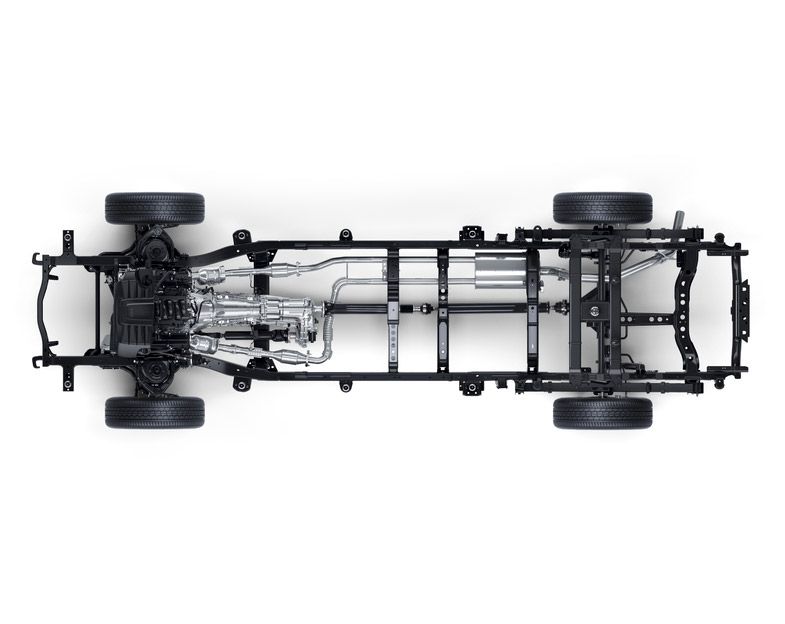
Main Steering System Parts
There are two main types of steering systems found on today's cars: the rack-and-pinion steering system and the recirculating ball system. In this article we will cover the rack-and-pinion steering system as it is the most common steering mechanism found on modern cars, trucks, and SUVs. Below are the main steering system parts used in a rack-and-pinion system:
- Steering wheel: the wheel a driver rotates to control the direction of a vehicle.
- Steering column: a shaft that connects the steering wheel to the rest of the steering system and transfers rotational energy to the rack and pinion.
- Pinion: a gear connected to the steering column that moves the rack left and right.
- Rack: a constrained rack that moves laterally between a vehicle's front wheels to turn the wheels left and right.
- Tie rod: a rod that connects each end of the rack to a steering arm.
- Steering arm: a part directly connected to the wheels that takes input from the rack and tie rods to change the direction of the wheels.
The basic rack-and-pinion steering system is fairly simple. However, without power assistance, this simple steering mechanism takes considerable effort on the driver's part to turn the wheels. Thankfully, most cars manufactured now come with power steering, either in the form of hydraulic power assistance or electric power assistance.
Adding power assistance to a steering system adds a few additional parts to the mechanism. Cars with hydraulic power steering feature a cylinder on the rack that uses pressurized fluid to move a piston back and forth, which in turn assists the movement of the rack.
Cars with electric power steering don't have any fluid lines or reservoirs. Instead, they use a brushless DC motor and electronic control unit (ECU) to measure driver input from the steering wheel and determine the appropriate amount of power the motor should use to turn the steering column.
How Does a Steering System Work?
A steering system's primary function is to convert the rotational motion of the steering wheel into the linear motion that turns the tires left and right.
Gear reduction & steering ratio
The rate at which you rotate the steering wheel does not directly translate to how much the wheels turn ‐ this would be inefficient and difficult to manage while driving. Instead, the rack and pinion mechanism provides a gear reduction, which makes it easier to turn the wheels. The specific gear reduction is measured by your car's steering ratio, which compares how much the wheels turn for every degree of rotation of the steering wheel.
Higher steering ratios require more revolutions of the steering wheel to turn the wheels farther, but the effort required is lower. In contrast, lower steering ratios turn the wheels farther with fewer rotations, but require greater effort to turn the steering wheel. Many passenger cars require roughly four complete rotations of the steering wheel to turn the wheels from lock to lock, or in other words, all the way turned from one side to the other.
How does a rack-and-pinion system work?
How exactly does turning the steering wheel left and right make the front wheels move in the same way? To understand how this mechanism works, it's important to look at how all the different parts of a rack-and-pinion system work together without power assistance.
When you turn the steering wheel in either direction, you're also turning a shaft in the steering column. At the end of that shaft is the pinion ‐ a gear that interlocks with the teeth of the rack. As the pinion spins on the shaft, it moves the rack either left or right.
The rack, which sits between the two front wheels, is constrained so that it can only move laterally. As the rack moves, the tie rods on either end of the rack control the movement and angle of the steering arms at each wheel. The steering arms are constrained on a vertical axis, so when they are pushed or pulled by the tie rods, they can only turn the wheels left or right.
Depending on the car's steering ratio, the wheels can be more or less sensitive to driver input on the steering wheel.
How Does a Power Steering System Work?
While the basic rack-and-pinion system is a fairly simple mechanism, steering a car with those parts alone would be very difficult. In the 1950s, power steering was invented to make the driving experience more comfortable by reducing the effort required to steer vehicles.
With few exceptions, almost all modern cars use some form of power steering assistance. While hydraulic and electro-hydraulic power steering systems are still common, nowadays full electric power steering systems are the norm due to their enhanced fuel economy and overall fewer maintenance requirements.
In a hydraulic system, a power steering pump pressurizes power steering fluid to assist the movement of the rack and pinion. The pump is run by a power steering drive belt or, on many vehicles, the serpentine belt. Steer belts are powered by the engine and send high-pressure hydraulic fluid to the control valve. The control valve regulates how much power steering fluid is sent to a piston cylinder on the rack. High fluid pressure on one side of the piston pushes the rack according to the motion of the steering wheel, while low pressure fluid on the other side returns to a reservoir to be recirculated. This hydraulically-powered piston significantly decreases the effort required by the driver to turn the steering wheel.
An electric power steering system, on the other hand, does not need hydraulic fluid, engine belts, or a pump to assist the driver's steering. Instead, it uses mostly sensors and an electric motor to aid the movement of the rack and pinion. Turning the steering wheel activates a magnet-powered brushless motor on the steering column that rotates clockwise or counterclockwise depending on the motion of the steering wheel. An electronic control unit (ECU) next to the motor uses feedback from a torsion bar in the steering column to determine how much assistance the motor should supply to the movement of the rack and pinion.
Some vehicles use what is known as an electro-hydraulic power steering system. This system still uses hydraulics and pressurized fluid to assist the driver, but eliminates the need for steer belts to power the system. Instead, a brushless electric motor activates the power steering pump. Except for the motor, this system operates in the same way as traditional hydraulic power steering.
What Are Common Problems of a Steering System?
Since electric power assistance does not rely on the engine, it is more fuel efficient than the hydraulic system. The electric system also has fewer interconnected parts and no fluid, which significantly lowers the likelihood of maintenance issues.
Many steering system maintenance problems are related to hydraulic power steering. Here are three common problems drivers encounter with their steering systems:
1. Low or Leaking Power Steering Fluid
Perhaps the most common steering system issue is leaking power steering fluid. A leak may be caused by a loose fitting, broken gasket, or any number of worn parts. If you suspect a leak, check the fluid level in the power steering reservoir as well as underneath your vehicle for any puddles.
Power steering fluid is typically red or amber in color and smells like burnt oil. Be sure to clean up any leaking fluid, as it is both toxic and flammable. Have your power steering system inspected right away, as insufficient fluid levels can lead to power steering failure.
2. Difficulty Steering
A steering wheel that feels tight, is slow to respond, or difficult to turn may indicate significant heat buildup in the gearbox or a loss of hydraulic power. In most cases, a lack of hydraulic power is the result of low power steering fluid levels or a failing pump.
3. Squealing or Whining Noises
While cars make all kinds of noises that may signal various problems, a squealing or whining noise under the hood could indicate that your power steering pump is failing. The pump may fail if there is not enough fluid in the reservoir or if the associated drive belt is loose.
Most steering problems are the result of low fluid levels or leaks. The best thing you can do to care for your steering system is to check power steering fluid levels regularly and watch out for signs of leaks. Stay ahead of this maintenance, and your Nissan's suspension and steering system will thank you.
If you notice a leak or are constantly having to top off your power steering fluid, bring your Nissan to a repair shop as soon as possible. A sudden loss of power steering can put you and your passengers at risk.
What If the Power Steering System Fails?
A sudden failure of the power steering system is extremely dangerous. If the system fails while driving, it can become very difficult to control the vehicle, which may result in a crash. In the event of power steering failure, attempt to pull over immediately without braking too hard. Call a tow service to have your Nissan brought in to your nearest authorized service center.
Your power steering system is an essential part of your driving experience. Be sure to keep it in tip-top shape with regular maintenance and repairs. If your Nissan steering system needs a little tweaking to get your turns just right, then shop genuine Nissan parts online and visit your nearest service center for installation help.
Shop Nissan Steering Parts Shop Nissan Power Steering Parts Shop All Nissan Parts