


6 Signs You Need New Brake Pads
July 23, 2020
Brake pads are one of the most important components of your Nissans braking system. When they're working properly, you probably don't notice them. But when you start hearing squealing or grinding noises, or feeling vibrations when braking, it could be a sign that your brakes are experiencing brake pad wear. Learn about the sights, sounds, and sensations that could clue you into the need for new brake pads.
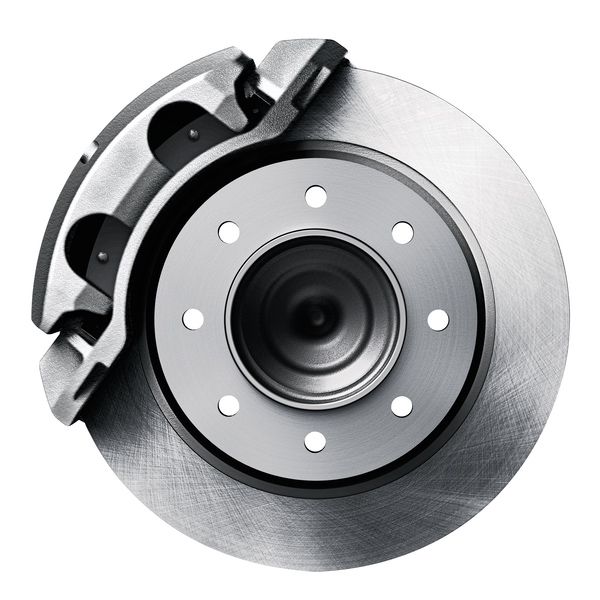
What Are Brake Pads and What Do They Do?
Brake pads are rough-surfaced pads that sit on either side of a brake rotor disc, pictured on the right. When the brake pedal is pressed, brake fluid fills a cavity in a part called a caliper, which then pushes against the brake pads and forces them to squeeze against the rotor. While this all may seem complex, brake pads have a very simple job ‐ to stop the vehicle.
How to Tell If You Need New Brake Pads
The material on brake pads doesn't last forever. Due to wear, tear, and age ‐ the rough surface of the pad is worn away, causing the pad to become thinner and less effective. When your brake pads wear down to a certain point, there are a few signs that can let you know that its time for new ones.
Consistent Squealing or Squeaking Sound Coming from Brakes
When it comes to signs that you need new brake pads, consistent squealing or squeaking noises are two of the most obvious clues. Brake pads are designed with a small piece of metal that scrapes against the brake rotors when the brake pads wear too thin, which creates the squealing sound. This sound is designed to be loud and annoying. So, if its happening on your Nissan, there's a good chance you can hear it when you brake.
It is true that squeaky brakes aren't always a warning sign of brake pad wear. If your brakes tend to squeal first thing in the morning, it could be moisture on the pads that's accumulated overnight. Other factors such as rain, rust, dirt, and debris can cause squeaking or squealing sounds when braking. But when the noise becomes consistent or is combined with one or more of the following signs of brake pad wear, then its time for new brake pads.
Grinding Metal Noise Coming from Brakes
If brake squeal is a friendly reminder to replace your brake pads, metal grinding is essentially the sound of your brake pads begging to be replaced. You can hear a metal grinding sound when your brake pads have worn too thin and there is hardly any pad left, if any at all.
This sound will differ from a brake squeal by having a distinct metal-on-metal type sound. If left unattended, this metal grinding could damage your brake rotors, causing you to need both brake rotor and brake pad replacements.
Vibration While Braking
Vibrations in your brake pedal or steering wheel when applying the brakes are a telltale sign of worn-out brake pads. These vibrations can also be caused by brake pads or brake rotors wearing unevenly. It only takes a slight bit of wear on the rotors to feel vibrations in the brake pedal or steering wheel. But if the rotors or brake pads have significant uneven wear, it could cause vibrations throughout your entire vehicle or your steering to pull to one side when braking.
Vibration due to uneven brake pad or rotor wear could be due to a number of issues, including improper installation, issues with the brake caliper, and contaminated brake pads. To properly diagnose uneven brake pad wear, bring your vehicle in to your nearest Nissan service center where our certified technicians can locate and fix your brake issues.
Brake Indicator Light is On
Some vehicles are equipped with a brake pad sensor that notifies you when your brake pads have worn too thin. When triggered, the sensor will illuminate a light on your dashboard. The brake service light could turn on due to a number of issues, including worn brake pads, low brake fluid, and more. If you see an exclamation point inside of a circle or the word "BRAKE" lit up somewhere on your vehicles dash, its time to head into the shop to let a professional technician diagnose your brake issue.
It Takes Longer to Stop
Worn brake pads are a common cause of your vehicle taking longer to stop. As the brake pads get thinner and lose friction, you might start to feel like your vehicle isn't slowing down like it used to. For instance, coming to complete stops takes more time and a greater distance.
Other factors such as low or leaking brake fluid, stuck calipers, or faulty shock absorbers could contribute to your car taking longer to stop, too. If it feels like you need a runway when coming to a stop, then head to your local Nissan dealership to have your brake system inspected by our expert technicians.
Brake Pads Are Less Than 1/4 Inch
If your brake pads measure less than 1/4 of an inch, its time to get them replaced. To measure your brake pads, you'll need to remove the wheel in order to see the brake pad. Consult your Nissan owners manual to do so.
Usually, you'll need to loosen the wheel nuts, jack up the car until the wheel is no longer touching the ground, and then finish removing the nuts and the wheel. Measure the thickness of the pad where it touches the rotor. If its a quarter inch or less (a little less than half the size of your pinky finger), its time to replace your brake pads.
Replace Your Brake Pads with Genuine Nissan Brake Pads
Nissan makes brake pads designed just for your Nissan. But just how long do Nissan brake pads last? When installed correctly, genuine Nissan brake pads can help keep your car stopping as it should for up to 70,000 miles. When its time to replace your brake pads, check your Nissan owners manual to purchase the right Nissan brake pads online, or head to your local dealership to buy Nissan brake pads and have them installed at our service center by one of our expert technicians.