


Do I Have Bad Shocks or Struts? How to Tell
May 27, 2021
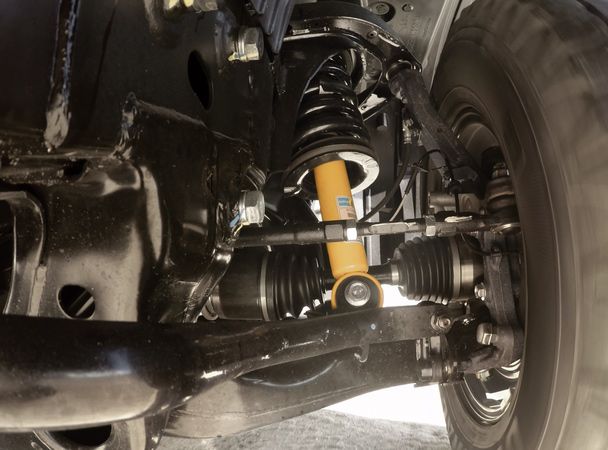
Vehicles are equipped with either shocks or struts, but rarely both. Although they're not interchangeable parts, they do serve similar functions. When your Nissan ride is smooth and relaxing, you can thank these essential components. Both parts help absorb shock, keep your tires in steady contact with the road, and reduce bounce on bumpy terrain.
The struts are the structural part of your Nissans suspension system and are located in the front of your car. Without them, your vehicle wouldn't operate properly. Without shocks, however, your car may function, but you'd likely experience some pretty dangerous driving conditions. Its part of their job to control movement in the suspension.
So, how do you know if you need new shocks or struts? Learn the symptoms of bad struts and shock absorbers so you can replace yours at the right time.
Excessive Vibration
Sometimes, driving on gravel or rough roads can make your steering wheel and car vibrate, but as soon as you're on smoother terrain, it should stop. If your steering wheel shakes at fast highway speeds, it might be a sign that the suspension is worn. Worn suspension can make it difficult to control your car at higher speeds, creating a dangerous driving situation for you.
Low Wind Control
Does your vehicle rock while driving in windy weather or even mild winds? If you have to correct your car constantly or it leans into turns involuntarily, these are potential symptoms of bad shocks, and you may need to have them replaced.
Uneven Tire Wear
Bald patches on your tires could be another indication of worn-out shocks. These components are meant to keep each of your tires in steady, even contact with the road so tread wear is evenly dispersed. Worn tires can lead to poor vehicle control, so it may be best to replace your Nissan tires along with your shocks.
Dipping When Braking
When you have to brake hard in unexpected situations, does your vehicle swerve, lurch forward, or nose-dive slightly? This symptom of bad struts and shocks is particularly dangerous, especially when braking in wet conditions.
High Mileage
If you've driven at least 50,000 miles since your shocks or struts were last replaced, it may be time to have them serviced. If your suspension system isn't upgraded in a timely fashion, you may experience damage to your vehicle and incur costly repairs down the road.
Delayed Stops
Worn shock absorbers can increase your stopping distance by 20%. If you notice that your vehicle takes an unusual amount of time to come to a complete stop, consider servicing your shock absorbers immediately.
Leaking Fluid
If you experience fluid leaks, its best to investigate them immediately. If the leak is from your shocks or struts, you may have broken seals. This could allow the hydraulic fluid, an essential substance that keeps your shocks functional, to escape.
Excessive Bouncing
When your car hits a bump, drives over potholes, or experiences rough terrain, your suspension coils are meant to absorb much of the impact. If your shocks and struts have worn or become damaged, your vehicle may continue to bounce for an extended period of time.
Are My Shocks or Struts Bad?
To take a quick assessment of your vehicles suspension system, park your car and "rock" it back and forth by pressing down on the bumper or the fender with your hands. If the car takes a while to stop rocking, your shocks and struts are likely worn.
Replace Faulty Shocks or Struts With Nissan Parts
Servicing your shocks and struts is critical to safe driving, maintaining your suspension system, and helping extend your vehicles useful life. If you're experiencing any of the above symptoms, replace your shocks or struts by shopping Nissan Parts & Accessories for genuine replacement components designed to fit your vehicle.
Shop Nissan Suspension PartsShop Nissan Shocks PartsShop All Nissan Parts