


Don't Let Your Car Get Zapped By These Common Electrical Problems
July 8, 2022
Is your car having electrical problems? Though your car may run on gasoline, it also has hundreds of electrical components that are just as essential as the gas in your tank. The tricky part is finding where in your electrical system the problem is because the loss of electrical power in one component often affects multiple other components. This guide to common electrical problems in cars will help you find the source of the issue so you can make the necessary repairs in no time.
Common Electrical Problems in Cars
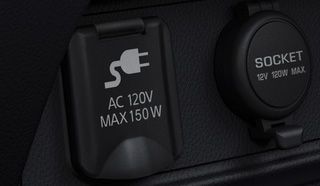
Maybe the engine wont start. Perhaps the power outlets no longer supply a charge or your windows wont roll up. Whatever the problem is, a loss of electrical power in your car is always inconvenient ‐ and potentially unsafe. In modern cars, many automatic safety systems depend on the vehicles onboard computer. Without adequate power to the computer or other essential systems, you could be putting yourself at risk. That's why its best to check out electrical problems as soon as they come up, even if it seems like a minor issue at first.
The good news is that with the right tools, you can diagnose and repair many electrical problems yourself. Here are some of the most common trouble areas in a cars electrical system, and what to do about them:
Bad Battery or Battery Cables
If you're experiencing a loss of electrical power in your car, the first thing to check is always your battery. The batteries job is to supply the power that starts the engine, as well as to power accessories when the engine isn't running. However, if your battery no longer holds enough charge (right around 12 volts), certain accessories may not function properly and you may find it difficult to start your car.
More often than not in situations where you lose electrical power, its not the battery itself that is the problem, but rather the battery cables. Battery cables are just as important as the battery because they are what channel electricity to the rest of the vehicle. However, battery cables that are loose or connected to corroded terminals wont transmit power effectively. Heres where you can usually solve the problem on your own: simply use a wrench to ensure that the battery cables are securely tightened to the terminals both on the battery and the corresponding connection points on the other end of the cable. Similarly, clean away any powdery corrosion buildup that may be visible on the terminals. Fixing a loose battery connection might be all it takes to restore full power to your vehicle.
On the other hand, repeatedly draining the battery tends to shorten its life. If you've had electrical problems with the battery for a while, it could just be time to replace it altogether. You can use a multimeter to test your batteries voltage, or simply bring your Nissan to your nearest service center to have your battery tested.
Bad Alternator
If the battery isn't to blame for your loss of electrical power, another likely culprit is the alternator. The alternators job is to recharge the battery and power your vehicles electronics while the engine is running. Yet if the alternator is going bad, you may experience dimmer lights than usual or the engine may even quit running.
Alternators are powered by a drive belt connected to the engine, which can sometimes become frayed, too loose, or break altogether. An alternator belt that isn't properly connected wont be able to generate an electrical current.
Thankfully, alternator belts can be replaced at home if you have some DIY repair experience. You can order a new belt from Nissan Parts & Accessories and have your alternator working again in no time. Of course, if the problem with the alternator is internal, then a professional replacement is your best option. Visit a Nissan service center to have your vehicles charging system tested and any parts replaced.
Bad Starter
Lets say you turn the key in the ignition, but the car wont start. Your battery and alternator seem okay, so what could be causing the problem? You could be dealing with a bad starter.
The starter draws power from the battery to mechanically rotate or "crank" the engine until the internal combustion process takes over and the engine is self-sustaining. Yet if the starter, or any of its internal parts like the solenoid has gone bad, your engine simply will not start. You will probably just hear a clicking sound-that's the starter trying to engage. Since the starter is a fairly complex electrical component, your best bet is to have it repaired or replaced by a professional.
Dealing with electrical issues in your car? Nissan Parts & Accessories has you covered. From battery cables to alternators, you'll find genuine replacement parts made to fit your make, model, and year.
Open Fuse
Another common cause of electric problems in cars is one or more blown fuses. Fuses protect electrical components. The amount of amperage that triggers a fuse to open is on the fuse itself. Depending on which fuse opens, you may find yourself without an alarm system, without working power outlets, or with an engine that wont start, among other inconveniences.
The nice thing about fuses, however, is that they are very easy to replace. There are multiple fuse boxes in your Nissan. Never replace a fuse with a different amperage rating. You can use your owners manual or the guide on the back of the fuse box cover to see which fuse corresponds with which accessories. If the fuse continues to open, see your Nissan dealer for repairs.
Shop Nissan Electrical System PartsShop All Nissan PartsView More Blogs